Thousands of Muslim Bangladeshis Detained or Deported Under West Bengal’s New BJP Government: A Policy That Could Deepen Religious Tensions and the Refugee Crisis
The Bharatiya Janata Party’s (BJP) electoral victory in West Bengal in 2026 has been followed by an aggressive campaign against undocumented migrants, particularly Bangladeshi nationals living in the border state. Promoted under the slogan “Detect, Delete and Deport,” the policy has resulted in thousands of detentions and deportations within weeks of the new government taking […]
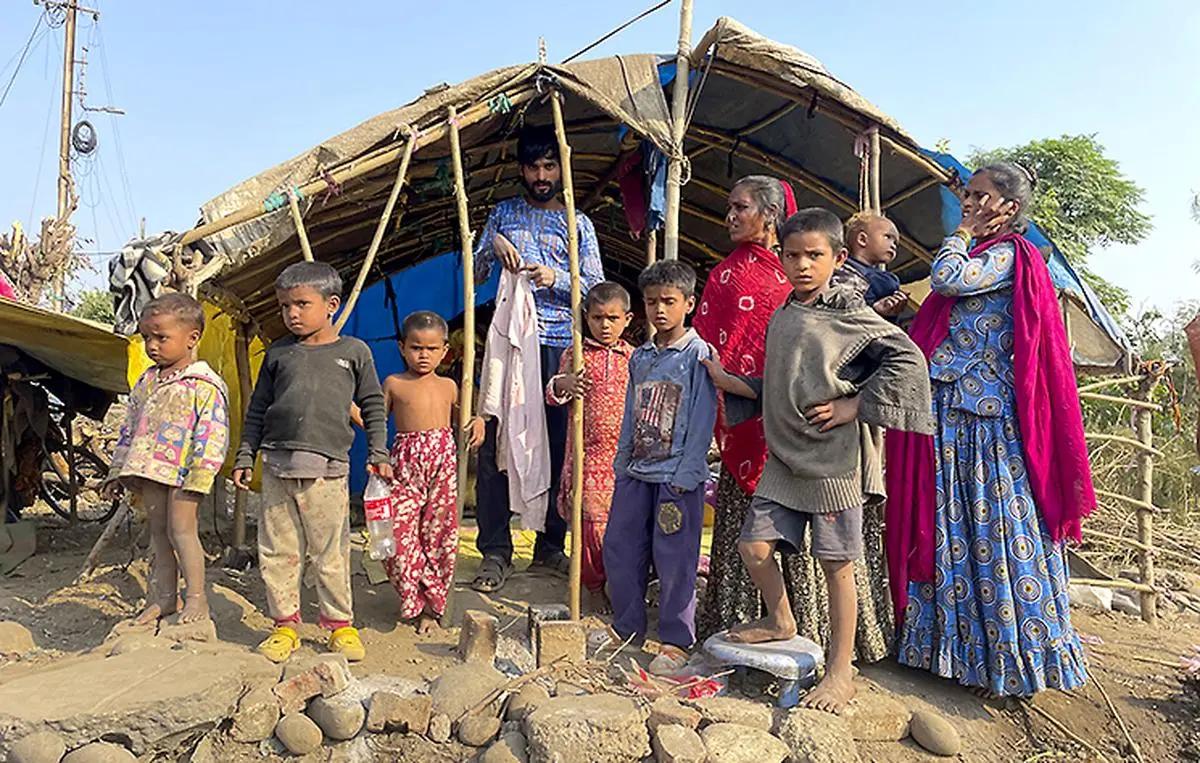
The Bharatiya Janata Party’s (BJP) electoral victory in West Bengal in 2026 has been followed by an aggressive campaign against undocumented migrants, particularly Bangladeshi nationals living in the border state. Promoted under the slogan “Detect, Delete and Deport,” the policy has resulted in thousands of detentions and deportations within weeks of the new government taking office. Whilst state authorities argue that the campaign is necessary to protect national security and electoral integrity, critics warn that it risks inflaming religious tensions, violating due process, and worsening an already fragile refugee situation in South Asia.
West Bengal shares more than 2,200 kilometres of border with Bangladesh and has long been a destination for migrants crossing the porous frontier for economic, social, and political reasons. Migration between the two regions has occurred for decades, driven by poverty, environmental pressures, and family ties that predate the 1947 Partition of British India.
Soon after assuming power, the BJP-led state government launched a large-scale operation to identify undocumented migrants. According to official figures cited by state authorities, nearly 5,000 Bangladeshi nationals have been deported since the government took office in May 2026. Authorities have also reported hundreds of additional detainees awaiting verification and repatriation. Reports indicate that special holding centres have been established in districts such as Malda to accommodate suspected undocumented migrants whilst their cases are processed.
Failing to provide moral and legal grounds, the Indian government insists that the operation targets illegal immigration rather than any particular religious community. Chief Minister Suvendu Adhikari has repeatedly defended the campaign as a law-enforcement measure aimed at removing foreign nationals who entered India without authorisation. Officials argue that undocumented migration places pressure on public services, affects demographic balances, and raises concerns about national security.
However, human rights organisations and civil society groups have raised serious concerns about the implementation of the policy. Human Rights Watch reported that hundreds of ethnic Bengali Muslims were expelled to Bangladesh without adequate legal procedures, alleging that some deportees were Indian citizens rather than foreign nationals. The organisation argued that authorities failed to provide sufficient opportunities for detainees to challenge their classification as illegal immigrants.
The controversy extends beyond West Bengal. Since May 2025, Indian authorities across several states have intensified efforts to identify and deport alleged undocumented migrants. Human rights groups claim that Bengali-speaking Muslims have been disproportionately targeted during these operations. Some individuals reportedly possessed Indian identity documents but were nevertheless detained pending verification.
The issue has also become a diplomatic challenge between India and Bangladesh. Dhaka has repeatedly expressed concern about what it describes as “pushbacks,” the practice of forcing people across the border without completing formal repatriation procedures. During high-level border security talks in June 2026, Bangladesh’s Border Guard raised the matter directly with India’s Border Security Force (BSF). Bangladesh insists that any repatriation must follow established diplomatic and legal channels, including verification of citizenship.
Indian authorities, meanwhile, contend that Bangladesh has been slow in verifying the nationality of suspected migrants. According to the BSF, India has submitted nearly 3,000 requests for citizenship verification and repatriation. The disagreement highlights the complexity of migration management in a region where family, language, and cultural ties often transcend national borders.
Beyond legal and diplomatic concerns, the crackdown carries significant social implications. West Bengal is one of India’s most religiously diverse states, with Muslims accounting for roughly 27 per cent of the population. Critics fear that linking undocumented migration primarily with Bengali-speaking Muslims could reinforce communal divisions. Political rhetoric surrounding “infiltrators” and demographic change has already become a major feature of electoral discourse in the state.
Analysts also warn that the campaign may contribute to broader regional instability. Bangladesh is already facing substantial humanitarian challenges, including hosting more than one million Rohingya refugees who fled persecution in neighbouring Myanmar. A sudden influx of deportees or disputed migrants could place additional strain on local communities, border management systems, and humanitarian resources. At a time when India-Bangladesh relations remain sensitive following political changes in Bangladesh since 2024, migration disputes risk becoming a source of prolonged tension.
Furthermore, legal experts argue that large-scale deportation drives must be accompanied by transparent procedures and judicial safeguards. International human rights standards require governments to verify nationality, provide access to legal representation, and prevent arbitrary detention. Failure to uphold these principles can result in statelessness, family separation, and wrongful deportation. Human rights advocates contend that the current campaign does not consistently meet these standards.
Supporters of the policy, however, insist that sovereign states have the right to control their borders and remove undocumented migrants. They argue that decades of illegal migration have altered electoral and demographic dynamics in border regions and that stronger enforcement is necessary to restore public confidence in immigration laws.
As West Bengal’s new government continues its “Detect, Delete and Deport” campaign, the challenge will be balancing border security with human rights protections. The policy has already become one of the most consequential and controversial developments in India’s migration debate. Whether it succeeds in addressing illegal immigration or instead deepens religious polarisation and regional tensions will depend largely on how transparently and fairly it is implemented in the months ahead.