Disposable Bodies, Billions in Profit: Unmasking the Bioethical Crisis in the Global South
Across the Global South, a quiet, devastating crisis of bioethics and fundamental human rights continues to unfold. Beneath the rhetoric of international health equity and cross-border innovation lies a multi-billion-dollar pharmaceutical ecosystem that systematically treats Black, Brown, and impoverished populations as disposable testing grounds and high-margin dumping markets. Driven by moral imperialism and racialised capital, […]
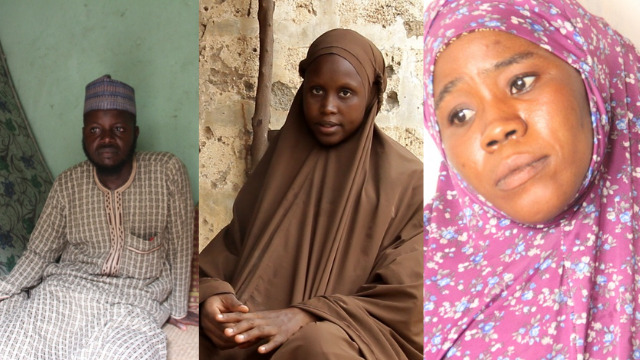
Across the Global South, a quiet, devastating crisis of bioethics and fundamental human rights continues to unfold. Beneath the rhetoric of international health equity and cross-border innovation lies a multi-billion-dollar pharmaceutical ecosystem that systematically treats Black, Brown, and impoverished populations as disposable testing grounds and high-margin dumping markets. Driven by moral imperialism and racialised capital, Western multinational corporations and under-regulated production hubs routinely exploit systemic poverty, offshoring human risks to developing nations that would be blatantly illegal in their home jurisdictions.
This is not an accidental glitch in the system. It is the system.
Phase III Exploitation: When Survival Becomes Coercion
Over 80% of clinical trials evaluating drugs submitted for US FDA approval now recruit participants outside the United States. Low- and Middle-Income Countries (LMICs) offer lower operational costs, weaker legal liability, and vast populations of “treatment-naïve” patients.
When extreme poverty strips away access to basic medical care, the concept of “informed consent” becomes a legal fiction. Bioethicists call this therapeutic misconception, a structural vulnerability where sick or dying patients agree to unvetted, high-risk trials simply because it represents their sole opportunity to access medical attention.
The data extracted from Black and Brown bodies is used to secure patents that generate billions in net corporate revenue in wealthy nations. Yet, empirical studies indicate that in fewer than 15% of clinical trials conducted in low-income nations do sponsors guarantee long-term, affordable access to the tested drug for the local host communities who absorb the risks to validate it.
Testing Grounds: The Kano Trovan Precedent
This dynamic is not theoretical; the human toll of clinical exploitation is documented across global health history.
During a severe bacterial meningitis epidemic in Kano, Nigeria, in 1996, American pharmaceutical giant Pfizer dispatched a research team to test an unapproved oral antibiotic, Trovan (trovafloxacin), on 200 paediatric patients.
| Parameter | Clinical Details & Documented Ethical Breach |
| Experimental Standard | Trovan was administered despite pre-clinical animal data indicating risks of liver toxicity. |
| Diluted Controls | To make Trovan appear more effective, the control group was intentionally given a reduced, sub-therapeutic dose of standard gold-treatment medication. |
| Human Toll | 11 children died, whilst dozens suffered permanent brain damage, paralysis, and deafness. |
| Consent Violations | Illiterate parents were never informed that their children were subjects of an experimental drug trial, nor were they offered the free, standard care available in the same facility via international humanitarian groups. |
Pfizer contested claims in court for over a decade before settling out of court with the Kano state government for $75 million, accompanied by non-disclosure agreements. The European Medicines Agency later suspended Trovan due to acute liver failure deaths, but the data had already been extracted at the cost of African lives.
The Illegal Pipeline: India and the Export of Lethal Narcotics
The devaluation of non-white lives extends beyond experimental trials into the deliberate, industrial-scale production and dumping of lethal pharmaceutical formulations. India, often celebrated as the “Pharmacy of the Developing World,” harbours under-regulated manufacturing hubs where human life in lower-income neighbouring regions is reduced to a lucrative export margin.
According to data from the United Nations Office on Drugs and Crime (UNODC), over 90% of global Tramadol seizures over the past decade occurred across Africa, originating directly from illicit pharmaceutical manufacturing units in South Asia, primarily India.
Undercover investigative operations exposed chemical factories across India mass-producing unlicensed, high-dose narcotic combinations, specifically mixing Tapentadol (a potent synthetic opioid) and Carisoprodol (a banned muscle relaxant that severely depresses the central nervous system). These pills were engineered solely for export to West African street markets under names like “Royal 225.”
When confronted on covert recordings, pharmaceutical executives acknowledged that these hazardous cocktails were far too dangerous to be legally licensed or sold domestically in India. Yet, they dismissed the devastating wave of addiction, grand mal seizures, and fatal overdoses among African youth with cold commercial indifference: “Nowadays, this is business.”
Quantitative Inequality and Moral Imperialism
These practices are sustained by deep structural inequalities across global health governance:
- The 90/10 Gap: Data from the Global Forum for Health Research reveals that less than 10% of global health research spending is directed towards health conditions that account for 90% of the global burden of disease.
- Violations of International Law: Article 7 of the International Covenant on Civil and Political Rights (ICCPR) explicitly guarantees protection against non-consensual medical experimentation. The Declaration of Helsinki mandates that the well-being of human subjects must always take precedence over commercial or scientific interests.
Applying strict safety protocols and legal protections in the Global North whilst enforcing deregulation and treating human subjects as disposable in the Global South is moral imperialism. It reflects an institutionalised double standard built on geography, race, and capital.
The Unspoken Human Cost: A Call for Health Justice
Behind these clinical trials, trade statistics, and corporate settlements lies an agonising reality that numbers fail to convey. It is the story of grieving mothers in Kano who watched their children enter a clinic seeking healing, only to carry their lifeless bodies home, unaware their loss was traded for a patent approval. It is the story of an entire generation of young people across West Africa whose futures are shattered by cheap, illicit narcotics manufactured thousands of miles away by corporations that view their suffering as acceptable overhead.
To accept this two-tiered system is to accept that some human lives are inherently worth less than others. Reversing this moral bankruptcy requires binding international law, criminal prosecution of corporate executives, and absolute bioethical parity across borders. Human health is not an extractable commodity, and human bodies are not disposable test sites. Until global health governance recognises the equal, inviolable value of every single life, the international pharmaceutical market will remain what it has been for decades: an engine of neo-colonial violence.